Four Career Moves to Make at the Start of 2025

Four Career Moves to Make at the Start of 2025

Ready to propel your career forward in 2025? Let’s get started!

When:

January 22, 2025, 10:00 am – January 22, 2025, 11:00 am MST

Where:

Online (Zoom)

Who:

Certified SPCs, Product Manager, Program or Project Manager, Scrum Master

Event Overview

Take Your Career to the Next Level in 2025!

Join our expert-led webinar on January 22nd at 10:00 AM MST to discover the top four strategies for achieving career success and accelerating your growth.

Speakers

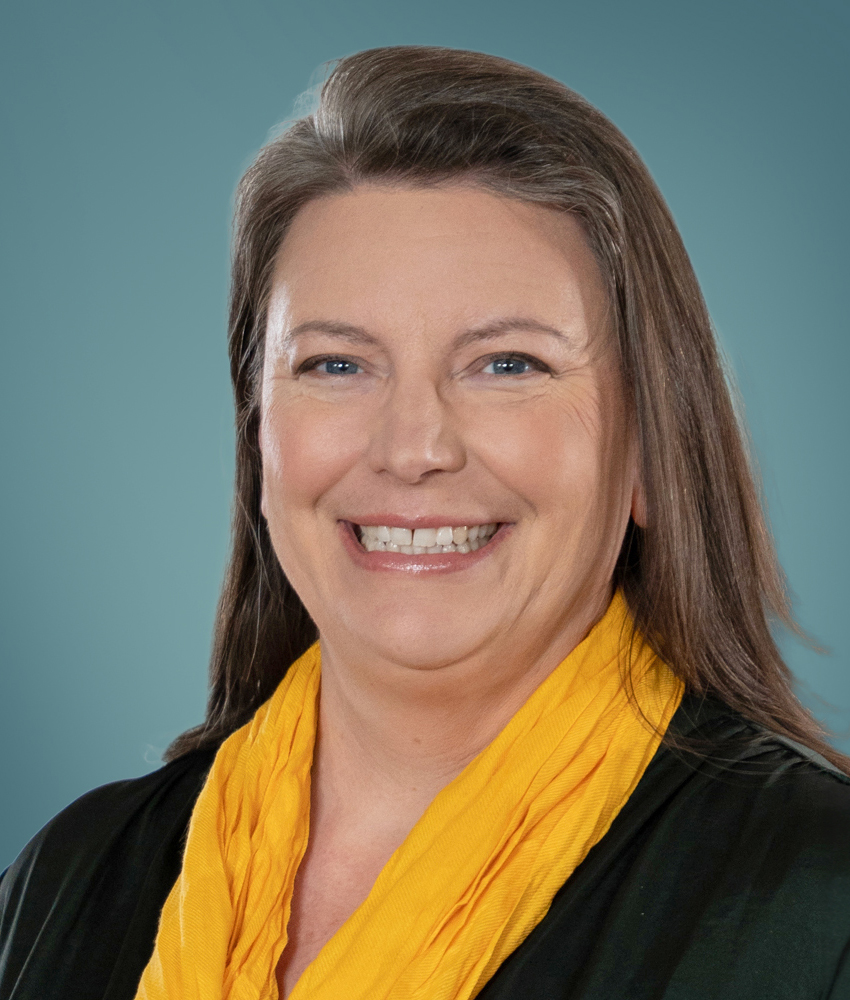
Michelle Jimenez

Product Manager (Scaled Agile)

Dr. Wiselin Mathuram Ph.D. SAFe SPCT

Chief Transformation Officer, (IBC)


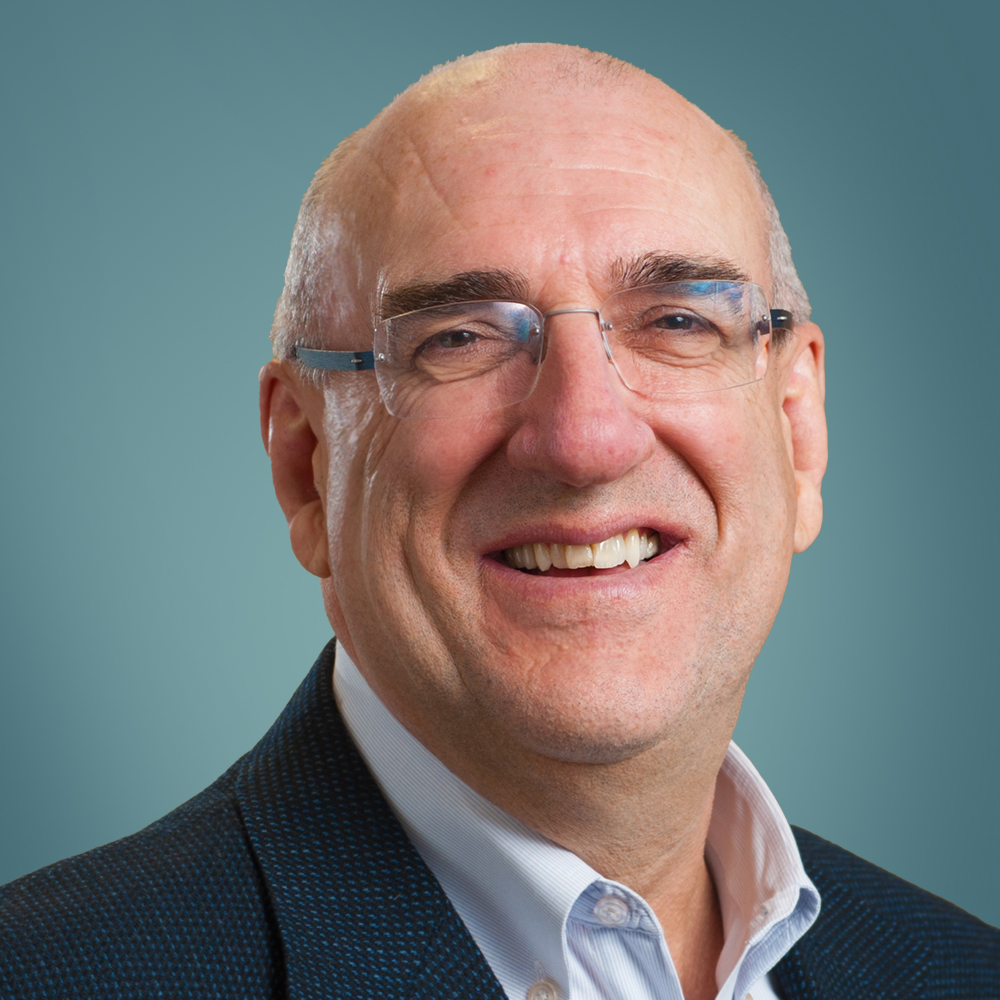
Luke Hohmann

Co-Founder, (Applied Frameworks)


Karen Lewison

Senior Events Manager (Scaled Agile)

Philips

“The Lean Portfolio Management is really unique for our business and now it’s being requested all over the place, because it really was a game changer. We outperformed in 2023 financially. We achieved our OKRs. The strategy was super clear. We had improved our quality significantly. So we didn’t have any major noncompliance… and most importantly we gained back the trust from the markets and the customers first.”

Ruti Avitan, VMO Leader, EMR & CM, Philips

Industry:

Healthcare, Medical Devices, Technology

Quick Facts:

  • Philips Global has 18 businesses across multiple continents, including 5 informatics businesses, which have adopted SAFe
  • In 2021, Philips Global invested 1.8 billion euros in research and development across all its business units
  • The Philips EMR & CM informatics products alone improve the lives of 95 million patients every year
  • Informatics customers include more than 9,000 hospitals across 70 countries

Lessons Learned:

  • Transformation is possible in a highly regulated environment like healthcare. Philips EMR & CM assigned a person to each team who was dedicated to documentation and validation in order to reduce delays and meet the more than 27 different compliance requirements they faced.
  • By moving away from an endless backlog of service tickets and managing defects to developing new tools and services, teams create more room for growth and innovation. They do this by defining epics, MVPs, and understanding value streams.
  • People-centric innovation: Philips asked themselves, what do people (in this case, patients and clinicians, nurses and technicians, consumers) really need? And how can they best support healthcare professionals with their workflow?
  • Sometimes focusing on fewer projects allows for greater scale, more innovation, better quality, and better flow of value to the customer.

Overview

In the past decade, Philips has transformed from a household products company to a focused leader in healthcare technology. The company offers medical devices such as CT and MRI machines, healthcare devices for personal use such as toothbrushes, and informatic systems for hospitals. 

Philips has five informatics or software business units ranging from electronic medical records (EMR) and care management to clinical informatics, radiology, cardiovascular, and more. They began their SAFe transformation within informatics. “When I joined, this business specifically was fully waterfall, very hierarchical, especially in the R&D organization,” says Ruti Avitan, VMO Leader of the EMR & CM informatics business at Philips. “It was a business in trouble. We had a lot of red projects because of delays. We have more than 25 projects running in parallel. Each one had a different delivery date. We had escalation from customers on quality, and so on. So the motivation to do something was really high.” 

Beginning in 2022, SAFe allowed the organization to define a Lean-Agile way of working and move from the traditional hierarchy to cross-functional teams. They shifted from project to product centricity, enhanced their knowledge, reduced the backlog, and made room for innovation. The result is an enterprise that is people- and patient-centric, focused on scalable innovations that prioritize safety, patient outcomes, supply chain resilience, and quality.

“When I joined, this business specifically was fully waterfall, very hierarchical, especially in the R&D organization… It was a business in trouble. We had a lot of red projects because of delays. We have more than 25 projects running in parallel. Each one has a different delivery date. We had escalation from customers on quality and so on. So the motivation to do something was really high.”

Ruti Avitan, VMO Leader, EMR & CM, Philips

Back to: All Case Studies

Suggested Case Study: Royal Philips

SAFe for Hardware: Developing the Certification Course

Over two decades, I have worked with large system builders in Aerospace, Defense, Automotive, and many other industries, supporting leaders in applying Lean-Agile principles to their engineering practices. As a methodologist and a SAFe® Fellow, I speak with organizations daily about using SAFe to build and deliver large, complex systems faster, more predictably, and with higher quality. 

Hardware ≠ Software: Understanding the Evolution of Hardware Development

Hardware and Lean-Agile don’t immediately seem like a perfect fit. Building a hardware system involves a lot of risk and cost, and a huge amount of infrastructure is required to design, verify, validate, and ultimately certify hardware solutions. 

The common approach to hardware development has been to define complete requirements and design specifications prior to implementation. There hasn’t been a mindset of building incrementally or doing tasks in small batches, mainly because of the downstream risk and the costs associated with getting it wrong. Yet the systems we build today have too much market, user, and technical uncertainty to assume we can build them right the first time. 

Over the past decade, we’ve witnessed a real disruption in hardware. New technology has enabled the industry to embrace a more Agile way of working. Digital technology, including digital twins, allows organizations to build an entire digital model of a system to address uncertainty faster and more cost-effectively. While hardware teams may not be able to build a new part every iteration, rapid prototyping and 3D printing mean they can now quickly and cheaply test and iterate at increasing levels of fidelity.  

At Scaled Agile, we saw a clear market need for a course that would support engineering organizations’ adoption of SAFe in the same way that many software organizations have seen tremendous value. 

Supporting Organizations in Implementing Lean-Agile Principles in Hardware

To create SAFe® for Hardware, we worked closely with our customers and the SPCT community, drawing on the conversations I’ve had over the past several years. The content in each module has been tested with multiple customers and reviewed by a community of SPCTs who work with hardware organizations. We landed on the modules that truly support engineering leaders and program managers in accelerating their hardware development and delivery and providing faster feedback and learning on the systems they build. 

We start with a brief introduction to SAFe and Lean-Agile principles to level set the class. Next, we dive into Designing for Change, where we look at how engineering leaders can design their systems to optimize incremental development. A good example is to think about a mobile phone. Pre-smartphone era, mobile phones were fixed logic, while today — a phone is just a platform that can be continually improved. Too often, systems are designed to optimize initial costs over the ability to change, which limits the ability to evolve them over time based on feedback and learning. 

Our next obstacle is the specification process. In Specifying the Solution Incrementally, we show how smaller batches of requirements and design create feedback loops. This requires balancing and connecting traditional formal (‘shall’) specifications with backlog items like features and enablers. We also show how to incorporate nonfunctional requirements (NFRs) into the Agile way of working. 

Variable/Fixed above Solution Intent; Domain Model leads to Design Model and Requirements Model

Less Defined: Solution Roadmap and PI Roadmap; More Defined: PI Plan, Iteration Plan, Daily Plan

A crucial difference between software development and hardware development is dramatically longer lead times needed to manufacture physical parts. Further, these are often significant systems with multi-year and sometimes even multi-decade lifespans. Multiple Horizons of Planning shares best practices on how to plan with both a long-term and near-term perspective. We show how organizations can balance the need to forecast long-term while providing teams with the ability to plan and commit to shorter-term work. 

As we say in SAFe, objective evaluation of working systems is the true measure of progress. Other measures, including phase-gate milestones, too often lead to false positive feasibility and wishful thinking. Being Agile in hardware requires a critical mindset shift. One issue is that teams often work in isolation on their part of a system, and regularly wait until the end to integrate the system. When it doesn’t, rework can be costly and frustrating. During Frequently Integrating the End-to-End Solution, participants will understand how digital technologies described earlier enable more frequent integration and faster, cost-effective learning. 

Continuously hypothesize, build, measure, and learn while continuously exploring, integrating, and deploying = release on demand

Another shift is in the way that engineering leaders look at compliance and regulation. Instead of creating a large bow wave of compliance activities at the end of development, we shift those activities left, building security, compliance, and physical safety into a feedback loop each increment. We discuss how to make this happen during the module Continually Addressing Compliance Concerns. 

Of course, no engineering team is an island. All organizations recognize the need to leverage suppliers whose knowledge and expertise are required to co-develop the solution. As organizations change to Lean-Agile ways of working, they must bring their suppliers along with them to be successful. In Collaborating with Suppliers, engineering leaders will learn how to integrate suppliers into their SAFe practices. They will also understand common contracting challenges and ways to address them. 

"The 8-Step Process for Leading Change" by Kotter, Inc.

Perhaps most crucially of all, our module Leading the Change is a call to action for development managers, program managers, and engineering executives. It’s not enough to agree to a new way of working, leaders need to own it and lead that change.

Built to Reinforce Learning

While the focus of SAFe® for Hardware is on knowledge transfer and education, we purposely designed the course to be 40 percent collaborative, with a lot of hands-on and activity-based sessions where engineering practitioners can learn from one another. Each module provides opportunities for leaders to discuss their current challenges and consider new approaches.

In our testing, I’ve seen leaders who enter the class with such different perspectives and then get in the room and discuss Agile practices with excitement and passion. I had one attendee tell me he would apply the roadmapping workshop the following week. And seeing the excitement and energy while building a marble run exercise is just the icing on the cake! We’ve had feedback that the content in SAFe for Hardware has really helped engineering leaders start thinking differently and understanding what’s possible within hardware development. 

For organizations to change their ways of working, leaders need to see the art of the possible, and to understand that applying Lean-Agile principles and SAFe in hardware is doable. And the need to know that others are already doing it and seeing success. I want people walking out of the course feeling confident that as leaders, if they can take responsibility for applying the mindset and the principles to their specific context and organization, they can find incredible value. 

Visit the SAFe® for Hardware course page for more, or search for upcoming classes via the training calendar.

SAFe for Hardware is currently in Limited Release, with classes available from select partners. A full release is planned for February 2025.

About Harry Koehnemann

Harry Koehnemann

SAFe Methodologist and SAFe Fellow at Scaled Agile, Inc., Harry Koehnemann has worked for over two decades with large system builders in Aerospace, Defense, Automotive, and many other industries, supporting leaders in applying Lean-Agile principles to their engineering practices. Harry speaks with organizations daily about using SAFe to build and deliver large, complex systems faster, more predictably, and with higher quality.

Product Launch

Scaled Agile Product Launch Webinar (2024 October)

Scaled Agile Product Management team leaders will unveil the latest innovations in this product launch webinar.

When:

October 24, 2024, 3:00 pm – October 24, 2024, 4:00 pm ECT

Where:

Zoom Live Session

Who:

Agile Coach, Product Manager, Product Owner, Program or Project Manager, SAFe Program Consultant, Scrum Master

Event Overview

Register today for insights into:

* Actionable guidance that bridges Agile theory and practice

* Flexible pathways for continuous learning

* Responsible integration of AI in Agile environments

Discover how the latest innovations from Scaled Agile drive business agility, improve team performance, and foster enterprise resilience.

Speakers

Andrew Sales

Chief Methodologist

As Chief Methodologist, Andrew is passionate about helping SAFe enterprises identify better ways of working by applying Lean, Agile, and DevOps at scale. In addition, he fulfills the role of Framework product manager, ensuring that Scaled Agile, Inc. has a clear vision, roadmap, and set of priorities for how SAFe will meet the needs of our customers.

Daniel Quick

Chief Customer Learning Officer

For over 20 years, Daniel has been on the front lines of educating customers, building results-driven customer learning programs at leading software brands, including Optimizely, Culture Amp, and Asana. Prior to joining Scaled Agile, he was SVP of Content Strategy at Thought Industries, one of the world’s fastest growing learning technology companies.

Tamara Nation

VP, Professionals Business Segment

Product Launch

Scaled Agile Product Launch Webinar (2024 October)

Scaled Agile Product Management team leaders will unveil the latest innovations in this product launch webinar.

When:

October 24, 2024, 11:00 am – October 24, 2024, 12:00 pm JST

Where:

Zoom Live Session

Who:

Agile Coach, Product Manager, Product Owner, Program or Project Manager, SAFe Program Consultant, Scrum Master

Event Overview

Register today for insights into:

* Actionable guidance that bridges Agile theory and practice

* Flexible pathways for continuous learning

* Responsible integration of AI in Agile environments

Discover how the latest innovations from Scaled Agile drive business agility, improve team performance, and foster enterprise resilience.

Speakers

Andrew Sales

Chief Methodologist

As Chief Methodologist, Andrew is passionate about helping SAFe enterprises identify better ways of working by applying Lean, Agile, and DevOps at scale. In addition, he fulfills the role of Framework product manager, ensuring that Scaled Agile, Inc. has a clear vision, roadmap, and set of priorities for how SAFe will meet the needs of our customers.

Daniel Quick

Chief Customer Learning Officer

For over 20 years, Daniel has been on the front lines of educating customers, building results-driven customer learning programs at leading software brands, including Optimizely, Culture Amp, and Asana. Prior to joining Scaled Agile, he was SVP of Content Strategy at Thought Industries, one of the world’s fastest growing learning technology companies.

Tamara Nation

VP, Professionals Business Segment

Agile Hardware Development for Leading Experts

Agile Hardware Development for Leading Experts

Bringing the lessons of agile into engineering together on September the 20th. One day before the Octoberfest, in Munich!

When:

September 20, 2024, 9:00 am – September 20, 2024, 5:30 pm ECT

Where:

BMW Welt Am Olympiapark 1 80809 Munich Germany

Who:

Agile Coach, Agile Professionals, Product Manager, Program or Project Manager

Event Overview

This one-day event intends to bring practitioners of agile together with those who are interested in seeing how to look different at hardware engineering. Explore this field with inspiring talks, workshops and interactive sessions.

Speakers

Chris James

CEO at Scaled Agile, Inc

Rune Christensen

SPCT and SAFe Advisor at Scaled Agile, Inc

Navigate conflict and foster collaboration with Advanced Facilitator: Conflict and Collaboration

Advanced Facilitator: Conflict and Collaboration
A SAFe Micro-credential Course

Navigate conflict and foster collaboration with Advanced Facilitator: Conflict and Collaboration

What is Advanced Facilitator: Conflict and Collaboration?

A SAFe Micro-credential Course that empowers enterprises and teams implementing SAFe with the essential skills and techniques for effectively navigating conflict and promoting collaborative decision-making. It is a part of our Advanced Facilitator series of SAFe Micro-credential courses.

Through immersive facilitated sessions, participants will explore the sources of conflict, learn strategies for managing conflict resolution, and practice tools and techniques to enhance collaboration within their organizations.

What is a SAFe Micro-credential Course?

A new training product from Scaled Agile meticulously designed to bridge the gap between theory & practice, providing actionable insights in a blended learning experience that combines a self-paced eLearning with a half-day, expert-facilitated session focusing on real-world simulations, not slides.

What to expect before, during, and after your course?

Before
Complete 1 hour eLearning
Prior to your facilitated session, you must complete the associated eLearning in SAFe Studio. This eLearning provides the perfect preparation for your facilitated session & is required to earn your Micro-credential.

During
Engage in a dynamic 4-hour facilitated session
During your live session, a facilitator will help guide you and your classmates through a variety of activities and work shops designed to not only provide knowledge, but provide practical applications of what you learn.

After
Immediately apply your knowledge
Upon completing your eLearning and facilitated session, you will be instantly ready to apply your knowledge in your unique setting.

Course Curriculum

Self-paced , on-demand eLearning (1 hour)

The eLearning module provides a comprehensive introduction to the strategies, concepts and terminology that will be used extensively in the expert-led session. The eLearning includes several pre-work assignments intended to fully prepare students for the facilitated session and encourages active participation on the course discussion thread in SAFe Studio.

Activity 1 – Sources of Conflict (~28 minutes)

The eLearning module provides a comprehensive introduction to the strategies, concepts and terminology that will be used extensively in the expert-led session. The eLearning includes several pre-work assignments intended to fully prepare students for the facilitated session and encourages active participation on the course discussion thread in SAFe Studio.

Activity 2 – Interest-based Problem Solving (~50 minutes)

Gain a deep understanding of the key components of this collaborative approach. You will explore the principles and techniques that underpin Interest-Based Problem Solving (IBPS), focusing on identifying mutual interests, generating creative solutions, and fostering cooperative relationships.

Activity 3 – Communications for Problem Solving (~26 minutes)

Develop essential communication skills to effectively resolve conflicts and foster collaboration by learning to embody a listening mindset, ensuring that all perspectives are heard and understood, and practice reframing statements to promote positive and constructive dialogue.

Activity 4 – Conflict Analysis and Strategy Design Framework (~45 minutes)

Learn a repeatable and efficient process for analyzing a conflict that takes into account the perspectives of all parties involved and design intervention strategies that reduce and/or resolve the conflict.

Activity 5 – Application Clinic (~40 minutes)

Use everything you’ve learned in the course and apply it to real-world scenarios experienced by your classmates.

Frequently Asked Questions

What are SAFe Micro-credential Courses?

SAFe Micro-credential Courses represent the future of learning with Scaled Agile – learning meticulously designed to bridge the gap between theory and practice, providing actionable insights in a format that fits your calendar instead of becoming your calendar.


SAFe Micro-credential Courses offer a blended learning experience – combining self-paced, eLearnings with a half-day, expert-facilitated sessions designed to equip you with actionable insights and powerful frameworks. Whether you’re navigating resistance to change or optimizing release processes, our Micro-credential courses provide practical solutions tailored to specific SAFe competencies.

How long does a SAFe Micro-credential course take to complete?

The half-day, facilitated session is designed to be completed in approximately 4 hrs. The self-paced, eLearnings that are designed to be taken prior to the facilitated session take learners 2 hours on average to complete.

How much do SAFe Micro-credential courses cost?

The recommended MSRP for SAFe Micro-credential courses is $649 (USD) + applicable taxes. With purchase, you will receive a blended learning experience that combines self-paced eLearnings designed to be taken prior to your dynamic, half-day, facilitated session.

Is there a certification or recognition that is earned upon completion of the course?

Yes. Upon completion, learners will receive a SAFe Micro-credential badge that is a testament to your commitment to Agile excellence and your ability to drive impactful change in your organization.

Maximize innovation, minimize risk with Achieving Responsible AI

Achieving Responsible AI
A SAFe Micro-credential Course

Maximize innovation, minimize risk with Achieving Responsible AI

What is Achieving Responsible AI with SAFe? 

A SAFe Micro-credential course designed to equip Agile
professionals with the skills to implement AI responsibly in their
teams and organizations.

This course will make you stand out as a leader in implementing
responsible AI by providing hands-on experience and practical
skills that ensure your AI projects are transparent, accountable,
and aligned with human values.

What is a SAFe Micro-credential Course?

A new training product from Scaled Agile meticulously designed
to bridge the gap between theory & practice, providing actionable
insights in a blended learning experience that combines a self-
paced eLearning with a half-day, expert-facilitated session
focusing on real-world simulations, not slides.

What to expect before, during, and after your course?

Before
Complete 1 hour eLearning
Prior to your facilitated session, you must complete the associated eLearning in SAFe Studio. This eLearning provides the perfect preparation for your facilitated session & is required to earn your Micro-credential.

During
Engage in a dynamic 4-hour facilitated session
During your live session, a facilitator will help guide you and your classmates through a variety of activities and work shops designed to not only provide knowledge, but provide practical applications of what you learn.

After
Immediately apply your knowledge
Upon completing your eLearning and facilitated session, you will be instantly ready to apply your knowledge in your unique setting.

Course Curriculum

Self-paced , on-demand eLearning (1 hour)

The eLearning module provides a comprehensive introduction to Responsible AI, covering foundational concepts and their alignment with SAFe practices. The eLearning includes several pre-work assignments intended to fully prepare students for the facilitated session — including researching current RAI practices in your organization, reviewing example policies, and ensuring access to a generative AI tool for practical exercises.

Activity 1 – Identifying Stakeholders (~30 minutes)

As future change agents and advocates for RAI, one of the first and most important tasks is to think about the people in an organization who would need to be involved in implementing RAI, what their responsibilities would be, as well as their top concerns. Learners will leave this activity with an actionable stakeholder map for future initiatives.

Activity 2 – Evaluating RAI Policies (~25 minutes)

Get hands-on experience using GenAI applications such as SAFe CoPilot and ChatGPT to apply critical thinking to an example set of policy elements in an RAI plan, identifying improvements needed for organizational fit.

Activity 3 – Communicating the Need for RAI (~30 minutes)

Become empowered to effectively communicate the need for Responsible AI (RAI), the goals of
an RAI initiative, and the alignment of an RAI initiative with organizational objectives through a concise “elevator pitch” activity.

Activity 4 – Writing an RAI Epic Hypothesis Statement (~35 minutes)

Practice identifying an actionable element of an RAI implementation that requires a significant effort by one or more Value Streams, and scoping that effort using a SAFe Epic hypothesis statement.

Frequently Asked Questions

What are SAFe Micro-credential Courses?

SAFe Micro-credential Courses represent the future of learning with Scaled Agile – learning meticulously designed to bridge the gap between theory and practice, providing actionable insights in a format that fits your calendar instead of becoming your calendar.


SAFe Micro-credential Courses offer a blended learning experience – combining self-paced, eLearnings with a half-day, expert-facilitated sessions designed to equip you with actionable insights and powerful frameworks. Whether you’re navigating resistance to change or optimizing release processes, our Micro-credential courses provide practical solutions tailored to specific SAFe competencies

How long does a SAFe Micro-credential course take to complete?

The half-day, facilitated session is designed to be completed in approximately 4 hrs. The self-paced, eLearnings that are designed to be taken prior to the facilitated session take learners 2 hours on average to complete.

How much do SAFe Micro-credential courses cost?

The recommended MSRP for SAFe Micro-credential courses is $649 (USD) + applicable taxes. With purchase, you will receive a blended learning experience that combines self-paced eLearnings designed to be taken prior to your dynamic, half-day, facilitated session.

Is there a certification or recognition that is earned upon completion of the course?

Yes. Upon completion, learners will receive a SAFe Micro-credential badge that is a testament to your commitment to Agile excellence and your ability to drive impactful change in your organization.

Go from idea to customer value faster with Value Stream Mapping

Advanced Facilitator: Value Stream Mapping
A SAFe Micro-credential Course

Go from idea to customer value faster with Value Stream Mapping

What is Advanced Facilitator: Value Stream Mapping?

The SAFe Micro-credential Course “Advanced Facilitator: Value Stream Mapping” is a blended learning experience designed to equip participants with the knowledge and confidence to facilitate Value Stream Mapping workshops effectively. It is a part of our Advanced Facilitator series of SAFe Micro-credential courses.

Through immersive facilitated sessions, participants will learn the principles and techniques of Value Stream Mapping, explore real-world case studies, and practice facilitation skills under the guidance of experienced facilitators.

What is a SAFe Micro-credential Course?

A new training product from Scaled Agile meticulously designed to bridge the gap between theory & practice, providing actionable insights in a blended learning experience that combines a self-paced eLearning with a half-day, expert-facilitated session focusing on real-world simulations, not slides.

What to expect before, during, and after your course?

Before
Complete 1 hour eLearning
Prior to your facilitated session, you must complete the associated eLearning in SAFe Studio. This eLearning provides the perfect preparation for your facilitated session & is required to earn your Micro-credential.

During
Engage in a dynamic 4-hour facilitated session
During your live session, a facilitator will help guide you and your classmates through a variety of activities and work shops designed to not only provide knowledge, but provide practical applications of what you learn.

After
Immediately apply your knowledge
Upon completing your eLearning and facilitated session, you will be instantly ready to apply your knowledge in your unique setting.

Course Curriculum

Self-paced , on-demand eLearning (1 hour)

The eLearning module provides a comprehensive overview of Value Stream Management (VSM) within the Scaled Agile Framework (SAFe). It covers key concepts and practices essential for understanding and optimizing the flow of value to customers. The eLearning includes several pre-work assignments intended to fully prepare students for the facilitated session and encourages active participation on the course discussion thread in SAFe Studio.

Activity 1 – Mapping the Current State (~76 minutes)

Lay the foundation for understanding and improving your value stream by defining your value stream context to ensure a shared understanding among all stakeholders, create a detailed representation of the steps, processes, and information flows involved in delivering value to your customers, and measure value stream efficiency by analyzing the current state map to identify bottlenecks, inefficiencies, and waste.

Activity 2 – Identifying Bottlenecks (~20 minutes)

Focus on pinpointing the most significant obstacles within your value stream by identifying the biggest bottlenecks that hinder the flow of value before delving deeper to uncover the top causes of delays and analyzing the underlying issues that contribute to these inefficiencies.

Activity 3 – Designing the Future State (~22 minutes)

Envision and design an optimized version of your value stream by mapping out the future state, incorporating improvements and changes aimed at enhancing efficiency. You will then forecast the efficiency of this future state, using metrics and predictive analysis to estimate the potential gains in value delivery.

Activity 4 – Developing the Action Plan (~30 minutes)

Transform your future state vision into actionable steps by creating an epic to guide the realization of your ideal value stream. After a draft is created, you will finalize the plan, ensuring all necessary details are in place for successful execution before creating a lean business case, justifying the investments and outlining the expected benefits.

Frequently Asked Questions

What are SAFe Micro-credential Courses?

SAFe Micro-credential Courses represent the future of learning with Scaled Agile – learning meticulously designed to bridge the gap between theory and practice, providing actionable insights in a format that fits your calendar instead of becoming your calendar.


SAFe Micro-credential Courses offer a blended learning experience – combining self-paced, eLearnings with a half-day, expert-facilitated sessions designed to equip you with actionable insights and powerful frameworks. Whether you’re navigating resistance to change or optimizing release processes, our Micro-credential courses provide practical solutions tailored to specific SAFe competencies.

How long does a SAFe Micro-credential course take to complete?

The half-day, facilitated session is designed to be completed in approximately 4 hrs. The self-paced, eLearnings that are designed to be taken prior to the facilitated session take learners 2 hours on average to complete.

How much do SAFe Micro-credential courses cost?

The recommended MSRP for SAFe Micro-credential courses is $649 (USD) + applicable taxes. With purchase, you will receive a blended learning experience that combines self-paced eLearnings designed to be taken prior to your dynamic, half-day, facilitated session.

Is there a certification or recognition that is earned upon completion of the course?

Yes. Upon completion, learners will receive a SAFe Micro-credential badge that is a testament to your commitment to Agile excellence and your ability to drive impactful change in your organization.

Bridge the gap between SAFe roles and government roles

SAFe for Government: Roles and Responsibilities
A SAFe Micro-credential Course

Bridge the gap between SAFe roles and government roles

What is SAFe for Government: Roles & Responsibilities?

Agile work in government can be quite challenging due to longstanding bureaucratic processes and outdated labor categories that hinder the flexibility required to manage Agile acquisitions.

Our latest micro-credential course aims to bridge the gap between traditional staff competencies and the new Agile roles that are needed to manage large complex systems at scale.

What is a SAFe Micro-credential Course?

A new training product from Scaled Agile meticulously designed to bridge the gap between theory & practice, providing actionable insights in a blended learning experience that combines a self-paced eLearning with a half-day, expert-facilitated session focusing on real-world simulations, not slides.

What to expect before, during, and after your course?

Before
Complete 1 hour eLearning
Prior to your facilitated session, you must complete the associated eLearning in SAFe Studio. This eLearning provides the perfect preparation for your facilitated session & is required to earn your Micro-credential.

During
Engage in a dynamic 4-hour facilitated session
During your live session, a facilitator will help guide you and your classmates through a variety of activities and work shops designed to not only provide knowledge, but provide practical applications of what you learn.

After
Immediately apply your knowledge
Upon completing your eLearning and facilitated session, you will be instantly ready to apply your knowledge in your unique setting.

Course Curriculum

Self-paced , on-demand eLearning (1 hour)

The eLearning module provides a comprehensive overview of the responsibilities of key agile roles including Business Owner, Product Owner (PO), Scrum Master/Team Coach (SM/TC), Product Manager, Release Train Engineer (RTE), System Architect, and SAFe Practice Consultant (SPC), as well as the concept of Customers and end users in a government context. Several lessons and four self-reflection activities provide the perfect preparation for your facilitated session.

Activity 1 – Key Agile Roles in Government (~55 minutes)

To fully understand agile roles in government, you need to start with the SAFe concept of Flow. This activity reviews the eight properties of flow-based systems before discussing the activities, decisions, and other aspects of several agile roles and responsibilities.

Activity 2 – Activities of Agile Roles in Government (-45 minutes)

PI Planning is an integral event within SAFe. Our second activity provides hands-on experience assigning PI cycle activities to the appropriate role, teaching participants to identify shared activities and dependencies between roles and activities, including how to incorporate additional government requirements into the cycle.

Activity 3 – Government Scenario (~27 minutes)

Executive orders are commonplace in a government context – and often disrupt planned work. This activity reviews the options for addressing an executive order that disrupts planned work by teaching participants to identify who is involved in replanning work and developing and communicating a strategy when plans need to change.

Activity 4 – Anti-patterns & The Changing Role of Government Leadership (~65 minutes)

With more than a decade of agile transformations, we understand the typical challenges that can impede an agile acquisition. This discussion based activity helps agilists operating in a government context prevent or mitigate common challenges that run counter to Lead-Agile practices.

Frequently Asked Questions

What are SAFe Micro-credential Courses?

SAFe Micro-credential Courses represent the future of learning with Scaled Agile – learning meticulously designed to bridge the gap between theory and practice, providing actionable insights in a format that fits your calendar instead of becoming your calendar.


SAFe Micro-credential Courses offer a blended learning experience – combining self-paced, eLearnings with a half-day, expert-facilitated sessions designed to equip you with actionable insights and powerful frameworks. Whether you’re navigating resistance to change or optimizing release processes, our Micro-credential courses provide practical solutions tailored to specific SAFe competencies.

How long does a SAFe Micro-credential course take to complete?

The half-day, facilitated session is designed to be completed in approximately 4 hrs. The self-paced, eLearnings that are designed to be taken prior to the facilitated session take learners 2 hours on average to complete.

How much do SAFe Micro-credential courses cost?

The recommended MSRP for SAFe Micro-credential courses is $649 (USD) + applicable taxes. With purchase, you will receive a blended learning experience that combines self-paced eLearnings designed to be taken prior to your dynamic, half-day, facilitated session.

Is there a certification or recognition that is earned upon completion of the course?

Yes. Upon completion, learners will receive a SAFe Micro-credential badge that is a testament to your commitment to Agile excellence and your ability to drive impactful change in your organization.